
Market insight, written by traders
Analysis, education and company news from our Dubai desk — practical reading for anyone trading Forex, indices and commodities.

Gold Struggles to Hold $4,400 as US Dollar Stabilizes
Gold retreats below the $4,400 level as the US dollar stabilizes, while Brent maintains a bullish short-term structure and GBP/USD faces corrective pressure.

Forex & Commodities Market Update: Dollar Weakens, Gold Gains as Oil Risks Rise
Global forex and commodity markets ended the week with investors balancing softer U.S. economic data against renewed geopolitical risks in the Middle East. The U.S. dollar weakened after disappointing retail sales, gold received support from a softer dollar and reduced expectations for a Federal Reserve rate hike, while crude oil climbed as concerns over Middle East supply risks returned to focus.

Today Technical Analysis: Gold breaks two-month high as it reaches $4,450
Gold is correcting after reaching a two-month high of $4,450, but its broader hourly structure remains constructive above the $4,300–$4,330 region. Brent crude maintains a bullish bias while holding above $87.50–$88.00, with $90 and $91.08 as key resistance levels. The Nasdaq-100 remains neutral-to-bullish above 29,500–29,600, with 29,915 acting as the key breakout level.
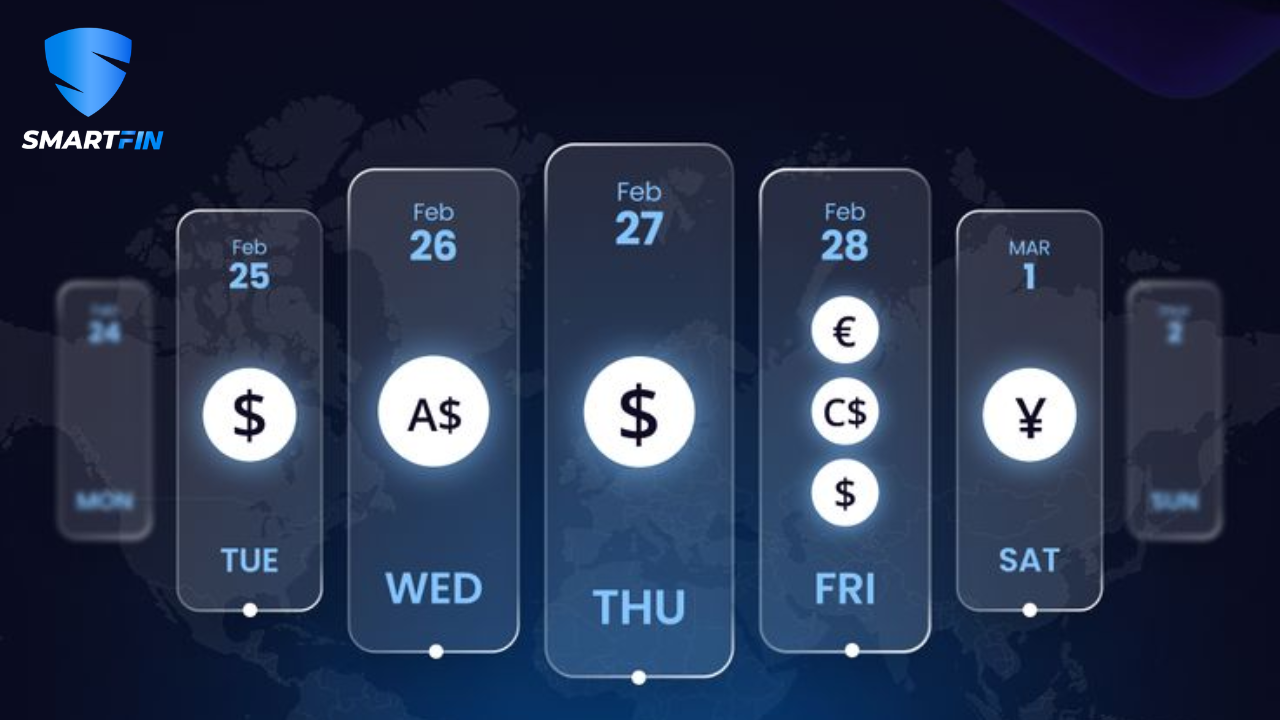
Forex News Trading in Dubai: How to Use an Economic Calendar
An economic calendar helps a forex trader know when scheduled data, central-bank decisions, and policy speeches may increase volatility. For traders in Dubai, the key step is converting release times correctly into Gulf Standard Time, which is UTC+4 and does not use daylight saving.

XAU/USD Spreads, Leverage and Margin Explained for UAE Traders
XAU/USD account advertisements often focus on a low spread, high leverage or small minimum deposit. Each number can influence the trading experience, but none should be evaluated alone. A narrow spread cannot make an oversized leveraged position safe.
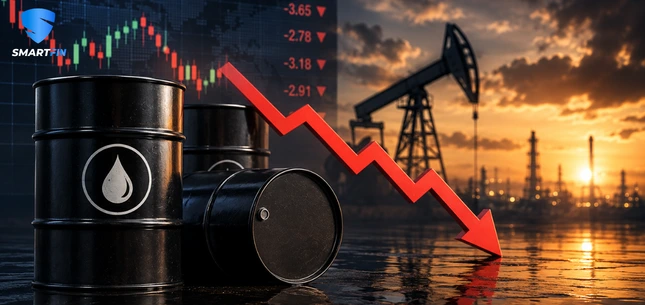
Oil Prices Slide as Middle East Tensions Ease
Oil prices slide as Middle East tensions ease, with Brent and WTI falling 2.5%. Gold remains bullish near $4,650, while Bitcoin consolidates around $79,000. Markets now await US core PCE inflation data and Federal Reserve commentary at Jackson Hole.
Policies & disclosures
Please read these documents carefully before opening an account or trading.
