
A fair comparison starts with the same instrument, trade size, account type, and holding period. It also means checking the provider’s current terms rather than relying on one headline figure. Trading costs and conditions can change, and leveraged trading can result in substantial losses.
What does the spread tell you?
The spread is the difference between the bid price and the ask price. In general, a trader buying uses the ask price, while a trader selling uses the bid price. The gap between those prices is one of the costs involved in entering and exiting a trade. A wider spread means the market price must move further in the trader’s favour before the position reaches break-even, all else being equal.
For example, imagine EUR/USD is quoted at 1.10000 bid and 1.10020 ask. The difference is 0.00020, or 2 pips. This is a simplified example: the actual monetary value of those pips depends on the position size, account currency, and contract terms.
Spreads are not always constant. They may change with market liquidity, volatility, time of day, and the provider’s pricing conditions. A minimum spread shown in an advertisement may not represent the spread available throughout a trading session. When comparing accounts, check whether the quoted figure is a minimum or a typical spread, and read how the provider describes its pricing.
Check whether a commission applies
Some account types include a separate commission, while others may include more of the trading charge in the spread. If a commission applies, find out whether it is charged per side of a trade or for the completed round trip. Also check whether it is quoted per lot, per transaction, or using another basis.
To compare two accounts, use the same trade size and calculate the commission for opening and closing the position. Then consider it alongside the spread. A narrow spread alone does not show the complete cost if a separate commission applies.
Include overnight financing
If a position remains open past the provider’s rollover time, an overnight financing charge or credit may apply. The amount can depend on the instrument, position direction, number of nights held, and the provider’s current rates and method of calculation.
Check the long and short financing rates for the instrument you intend to trade. If you may hold a position over a weekend or public holiday, check how the provider handles those periods as well. Do not assume the same financing rate applies across different instruments or account types.
Look for other charges
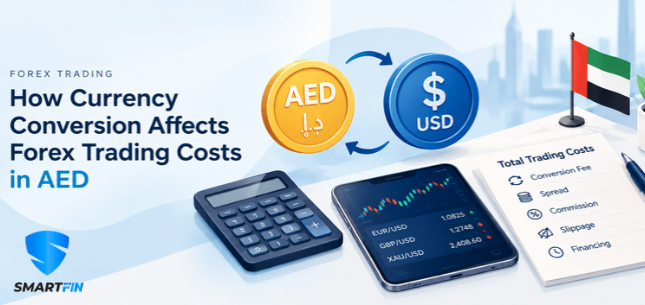
The account’s fee schedule may include charges beyond spread, commission, and financing. Depending on the provider and payment method, these could include currency conversion or payment-processing fees. Confirm which charges apply to your account and which, if any, are imposed by a bank or payment provider.
Currency conversion can matter when the account is denominated in a different currency from the instrument’s profit and loss. Ask how the conversion is calculated and whether a fee or adjustment applies. Review deposits and withdrawals separately: a “no fee” statement from one party may not cover charges imposed by another service provider.
Understand execution conditions
The price shown when an order is submitted may change before the order is filled, particularly in fast-moving markets. The final result can depend on the order type, market conditions, available prices, and the provider’s execution process. Traders comparing providers should read the applicable execution policy and understand how orders may be handled. This overview of what happens behind a broker’s order execution explains some of the factors that can affect a fill.
Slippage is the difference between the expected price and the execution price. It can be favourable or unfavourable, and its likelihood may vary with market conditions and the order type. A stop order, for example, may be executed at a different price if the market moves through the requested level quickly. No single execution statement guarantees the price a trader will receive in every situation.
A practical comparison checklist
Before deciding whether an account’s costs suit your needs, compare:
- The typical spread for the specific instrument, not only the advertised minimum.
- Any commission, including whether it applies when opening, closing, or both.
- Overnight financing for long and short positions.
- Currency conversion and payment-related charges.
- How prices, slippage, and order execution are described in the provider’s policies.
- Whether the terms apply to your account type and country of residence.
Use the same instrument, position size, account currency, and holding period for each comparison. If the provider offers a demo account, it may help you become familiar with the platform and where to find current instrument specifications. A demo does not guarantee the same conditions or results in a live account.
Compare the full cost, not one number
The spread is a useful starting point, but it does not tell the whole story. A clearer comparison includes the costs that may apply before, during, and after a position is held, along with the provider’s execution terms. Read the current documents, confirm unclear charges with the provider, and remember that trading costs reduce the result of a trade while leverage can magnify losses.